RobertBeverley.com

RobertBeverley.com

Restore Your Rhythm in a Clock-First World.

Begin Where You Are

You don’t need a plan. You only need a place to start. You don’t need a plan.You don’t need clarity.You don’t need to fix anything. You only need a place to begin. Most people arrive...

Restore Your Rhythm.

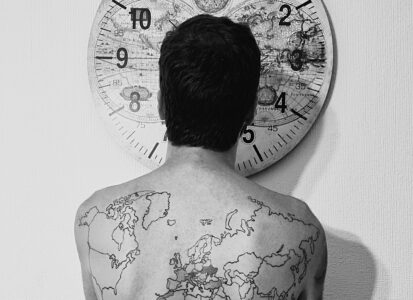
The world runs on clocks. Humans run on rhythm. When life feels rushed, pressured, or out of sync, it’s rarely because something is wrong with you.More often, it’s because structure arrived before rhythm had time...

Words We Use

Words We Use Carefully Language shapes experience. We choose words that stabilize rather than rush, clarify rather than label. Here’s what we mean when we use them. Clock First A way of living that prioritizes...

Begin Where You Are

You don’t need a plan. You only need a place to start.

You don’t need a plan.
You don’t need clarity.
You don’t need to fix anything.

You only need a place to begin.

Most people arrive here because something feels familiar. Not alarming—just quietly true. Like realizing you’ve been holding your breath without noticing. A sense that life is moving, but not quite landing.

That effort has replaced ease.
That you’re capable, yet somehow out of sync.

This page exists for one reason:
to remind you that you don’t need to be anywhere else to start.

There Is Nothing You Need to Catch Up To

We live in a culture that treats readiness as something you earn by pushing harder.

But rhythm doesn’t work that way.

Rhythm stabilizes when pressure eases—not when it increases.
Clarity arrives after settling—not before.
Movement becomes possible when alignment returns.

If you feel unsure, tired, or in between chapters, that doesn’t mean you’re behind.

It means you’re human.

What “Beginning” Actually Means Here

Beginning does not mean:

  • making a commitment
  • choosing a direction
  • setting goals
  • deciding what comes next

Beginning simply means noticing.

Noticing where things feel rushed instead of aligned.
Noticing where effort feels heavier than it should.
Noticing where you may be forcing structure before rhythm has settled.

Awareness is not a small step.
It’s often the most important one.

You Don’t Have to Move Quickly

There is no timeline attached to this work.

Some people stay here for a while—reading, reflecting, letting things settle.
Others feel ready to explore rhythm through movement or conversation.
Some return later, when life creates space again.

All of these are valid beginnings.

Rhythm doesn’t respond to urgency.
It responds to honesty.

A Few Gentle Ways to Continue (If You’re Curious)

There is no “next step” you’re expected to take.
But if curiosity is present, you might explore one of these:

You don’t need to decide now.
You don’t need to decide at all.

A Final Reminder

You are not late.
You are not behind.
You are not missing something everyone else has figured out.

You’re here.
That’s enough to begin.

Begin where you are.
Let rhythm lead.
Let the rest unfold naturally.
 

Leading & Following Without Force

Most people think leading means controland following means compliance. That belief alone is what makes partner dancing feel tense. True partnership doesn’t come from pushing,... Read More "Leading & Following Without Force"

Rhythm First Intelligence

Why some learning happens before we think — and why timing matters more than technique Most people assume learning happens in a simple order: Understand... Read More "Rhythm First Intelligence"

Before Learners Ask “How,” They Need to Feel “When”

Across many domains of learning — dance, sport, music, and even communication — a familiar pattern appears. A learner understands the instruction.They can describe what... Read More "Before Learners Ask “How,” They Need to Feel “When”"

The World Runs on Clocks. Humans Run on Rhythm

Why we're exhausted—and what ancient cultures already knew We wake to alarms. We schedule meetings in 30-minute blocks. We eat lunch at noon because that's... Read More "The World Runs on Clocks. Humans Run on Rhythm"

Restore Your Rhythm.

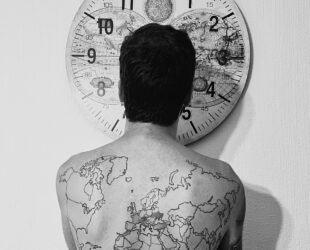
The world runs on clocks. Humans run on rhythm.

When life feels rushed, pressured, or out of sync, it’s rarely because something is wrong with you.
More often, it’s because structure arrived before rhythm had time to settle.

We help people return to something more fundamental:
the rhythm that governs how humans learn, connect, and grow.

When Everything Feels Rushed, Even Good Things Become Hard

Modern life asks us to move faster, measure more, and keep up—often without asking whether we’re still in sync.

People don’t usually say they feel broken.
They say they feel tired. Disconnected. Behind. Out of rhythm with themselves.

This isn’t a personal failure.
It’s a cultural one.

You Don’t Lose Rhythm

Your body already knows rhythm.
It’s in how you walk. Breathe. Speak. Connect.

What’s often missing isn’t rhythm itself—but the space for it to settle before structure is added.

When rhythm comes first, confidence follows naturally.
Learning accelerates without force.
Life feels workable again.

A Rhythm First Way Forward

Rhythm First is not about doing less or slowing everything down.
It’s about restoring alignment so effort actually works.

We apply this understanding across learning, wellness, relationships, and life transitions—often through movement, sometimes through conversation, always through care.

Meet Robert & Beverley

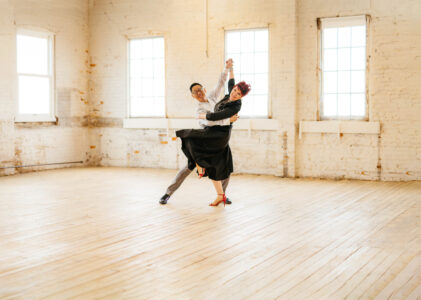
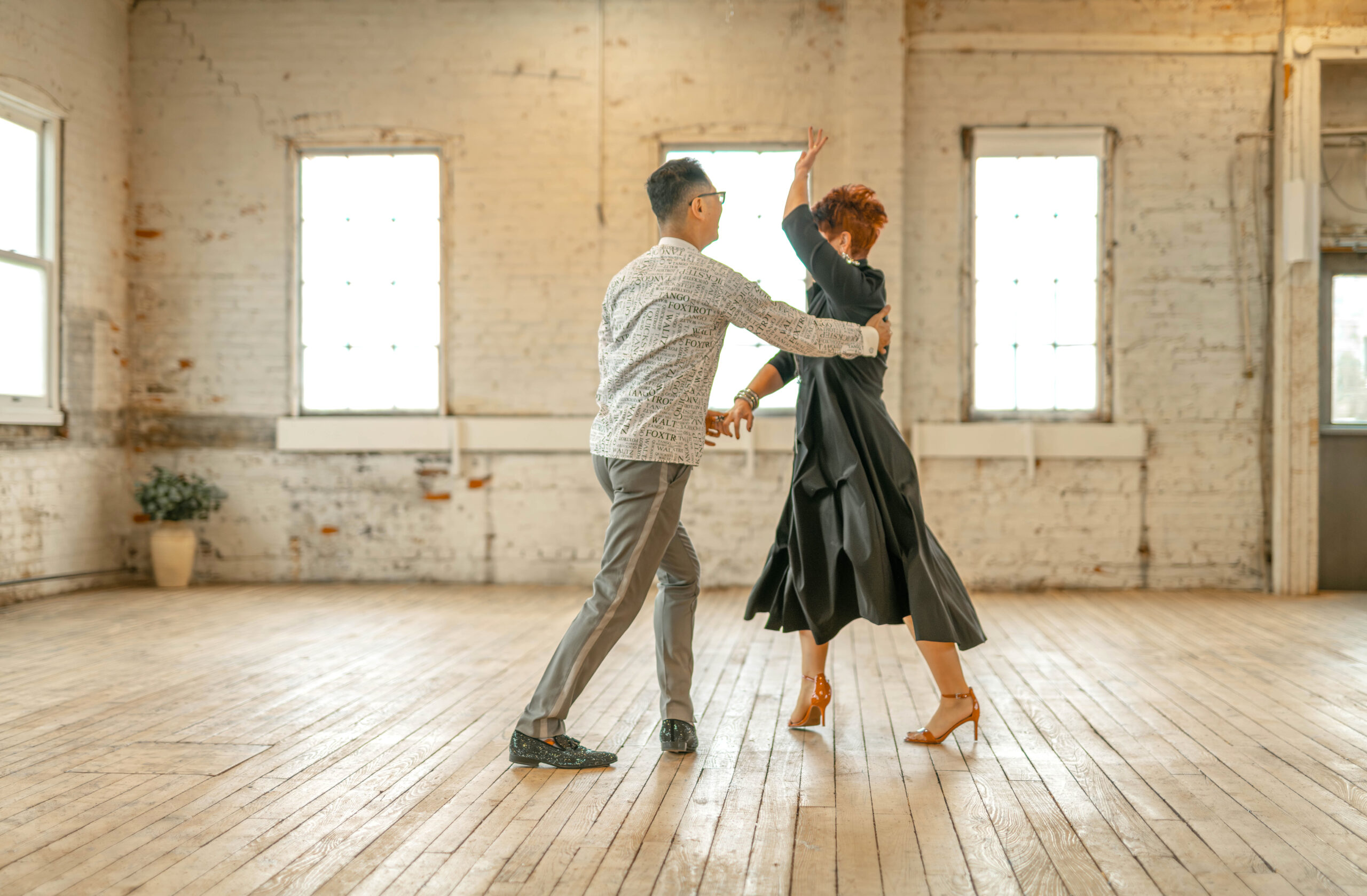
For over 25 years, Robert Tang and Beverley Cayton-Tang have helped thousands of people rediscover rhythm—first on the dance floor, and then far beyond it.

They are known not for pushing people harder, but for helping them settle first—so progress can unfold naturally.

Begin Where You Are

You don’t need a plan.
You don’t need to be ready.
You don’t need to fix yourself.

If something here resonates, trust that.


Words We Use

Words We Use Carefully

Language shapes experience. We choose words that stabilize rather than rush, clarify rather than label.

Here’s what we mean when we use them.


Clock First
A way of living that prioritizes schedules, metrics, and outcomes over coordination and readiness.

Pressure
What replaces rhythm when structure is imposed before coordination settles.

Rhythm
The felt coordination—within yourself and with others—that allows movement, learning, and connection to flow.

Alignment
When effort and readiness meet.

Rhythm First
Establishing coordination before adding complexity—or restoring it when it’s been lost.

Guides
Not teachers or coaches. People who help establish coordination so progress can happen naturally.


These aren’t just terms—they’re tools for noticing where life feels forced and where it might flow more easily.

Restore Your Rhythm.

The world runs on clocks. Humans run on rhythm.

When life feels rushed, pressured, or out of sync, it’s rarely because something is wrong with you.
More often, it’s because structure arrived before rhythm had time to settle.

We help people return to something more fundamental:
the rhythm that governs how humans learn, connect, and grow.

When Everything Feels Rushed, Even Good Things Become Hard

Modern life asks us to move faster, measure more, and keep up—often without asking whether we’re still in sync.

People don’t usually say they feel broken.
They say they feel tired. Disconnected. Behind. Out of rhythm with themselves.

This isn’t a personal failure.
It’s a cultural one.

You Don’t Lose Rhythm

Your body already knows rhythm.
It’s in how you walk. Breathe. Speak. Connect.

What’s often missing isn’t rhythm itself—but the space for it to settle before structure is added.

When rhythm comes first, confidence follows naturally.
Learning accelerates without force.
Life feels workable again.

A Rhythm First Way Forward

Rhythm First is not about doing less or slowing everything down.
It’s about restoring alignment so effort actually works.

We apply this understanding across learning, wellness, relationships, and life transitions—often through movement, sometimes through conversation, always through care.

Meet Robert & Beverley

For over 25 years, Robert Tang and Beverley Cayton-Tang have helped thousands of people rediscover rhythm—first on the dance floor, and then far beyond it.

They are known not for pushing people harder, but for helping them settle first—so progress can unfold naturally.

Begin Where You Are

You don’t need a plan.
You don’t need to be ready.
You don’t need to fix yourself.

If something here resonates, trust that.


Rhythm First

What Is Rhythm First?

Rhythm First is a way of understanding how humans coordinate—with themselves and each other—before structure, technique, or timelines take over.

It begins with a simple observation: when rhythm is stable, structure lands easily. When rhythm is ignored, pressure replaces progress.


An Example

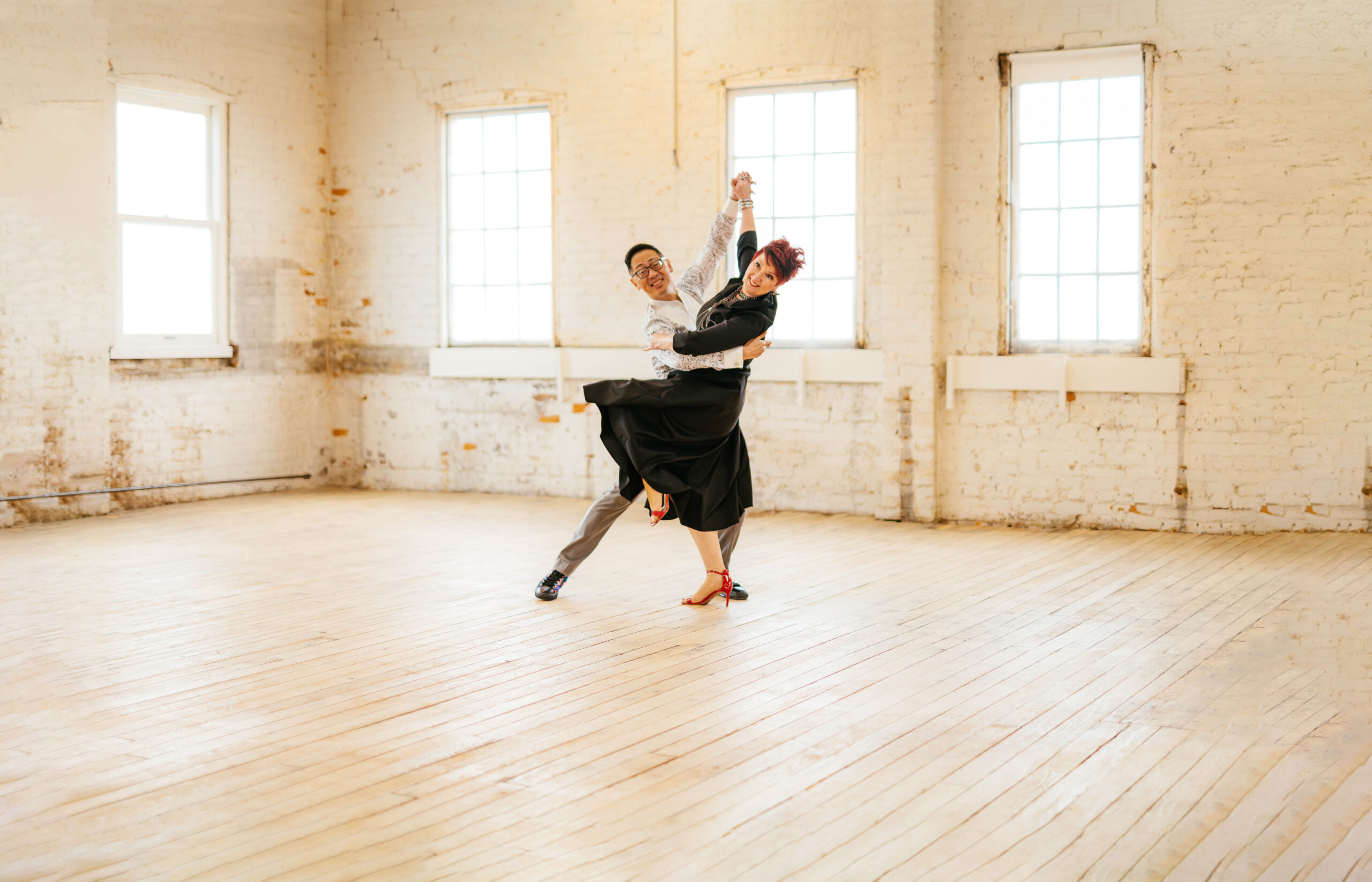
A couple learning to dance might memorize steps perfectly—but if their shared rhythm hasn’t settled, the partnership will feel forced. The problem isn’t the steps. It’s the sequence.

The same is true in conversations, projects, creative work, and life transitions. When rhythm comes first, everything else organizes more easily.


Clock First vs. Rhythm First

Clock First living prioritizes schedules, metrics, and outcomes.

  • You eat lunch at noon because that’s when lunch happens—not because you’re hungry.
  • You work 8 hours because that’s the standard—regardless of energy or creative flow.
  • You measure progress in hours logged, tasks completed, milestones hit.

Rhythm First living prioritizes coordination, readiness, and flow.

  • You eat when your body signals hunger—and notice when you’re truly satisfied.
  • You work in alignment with natural energy cycles—deep work when focused, integration when winding down.
  • You measure progress by depth, alignment, and sustainable forward movement.

Clocks measure time. Rhythm organizes experience.

When we confuse the two, learning breaks down, relationships feel harder than they should, and effort replaces ease.


Where Rhythm First Applies

Learning new skills
When rhythm is established first, technique organizes naturally. When steps are taught before timing, frustration builds.

Wellness and movement
When breath and rhythm ground the body, movement becomes sustainable. When exercise is forced, injury and burnout follow.

Relationships and partnership
When shared rhythm is present, communication feels conversational. When timing is off, misunderstanding escalates.

Creative work
When rhythm guides the process, creativity flows. When deadlines override natural cycles, output feels forced.

Life transitions
When rhythm is allowed to stabilize first, clarity emerges naturally. When decisions are rushed, regret often follows.

Rhythm First is not about one activity. It’s about sequence.


What Rhythm First Is Not

Rhythm First is not:

  • A productivity system — It’s not about getting more done faster.
  • A relaxation technique — It’s not about slowing everything down or “taking it easy.”
  • A rigid method — It’s not a protocol or step-by-step formula.
  • Anti-structure — It doesn’t reject goals, plans, or timelines. It changes the sequence.

Rhythm First recognizes that coordination must come before complexity—or pressure replaces progress.


What Happens When Rhythm Comes First

People stop blaming themselves. Confidence returns without hype. Progress becomes sustainable.

Most say the same thing: “I thought I couldn’t do this. Turns out, I just needed rhythm first.”

That’s the shift Rhythm First creates: from forcing outcomes to establishing coordination—and letting everything else follow naturally.


Learn more: The World Runs on Clocks. Humans Run on Rhythm. | Begin Where You Are